
Building your college list? It’s important to understand an institution’s strengths. Some excel in engineering, while others may be tops in education or journalism. In this issue, we tell you what to look for in an academic department.
Below you'll find a list of all posts that have been categorized as “Applications”
Building your college list? It’s important to understand an institution’s strengths. Some excel in engineering, while others may be tops in education or journalism. In this issue, we tell you what to look for in an academic department.
Colleges will be on the lookout for ChatGPT generated essays, and while there are legitimate and helpful ways to use the technology, relying on it for writing is risky and ineffective. In this month’s issue, read about the implications of ChatGPT. Other articles include: Focus on Majors/English – Career opportunities beyond writing and teaching. Financial Matters – Important changes that …
You have your college list, now it’s time to decide on an application plan. Your decision can impact deadlines, when you’re notified and whether you’re making a binding commitment. In our September issue, we decode six options, including Early Decision and Early Action, and the pros, cons and requirements of each. Other articles include: Focus on Majors/Animal Science – Careers …

Take note, Class of 2024! If you want to increase your chances of being accepted, it’s important to understand the college admissions landscape. Read about four trends we observed during 2022-23 that we believe will continue to have an impact.

Each year, we are privileged to get to know our high school students across the state and country as they complete their college journey. And every May, we reflect on their stories and accomplishments with gratitude and awe. We are so proud of you, Class of 2023! This has been the most competitive year for admissions since we started College …
Considering an honors program or college? The benefits go beyond a diploma designation. Read about the perks of undergraduate honors.
While they may not ask specifically, colleges want to know how you’ll contribute to campus. Read our tips for making your case.
You want to provide a complete picture, but should you address low grades or a learning disability in your application? Here are some guidelines to help you decide.

The ability to demonstrate character is becoming just as important to college admissions as leadership and academic achievement. How can you ensure your character strengths come through in your application? We share our ideas.
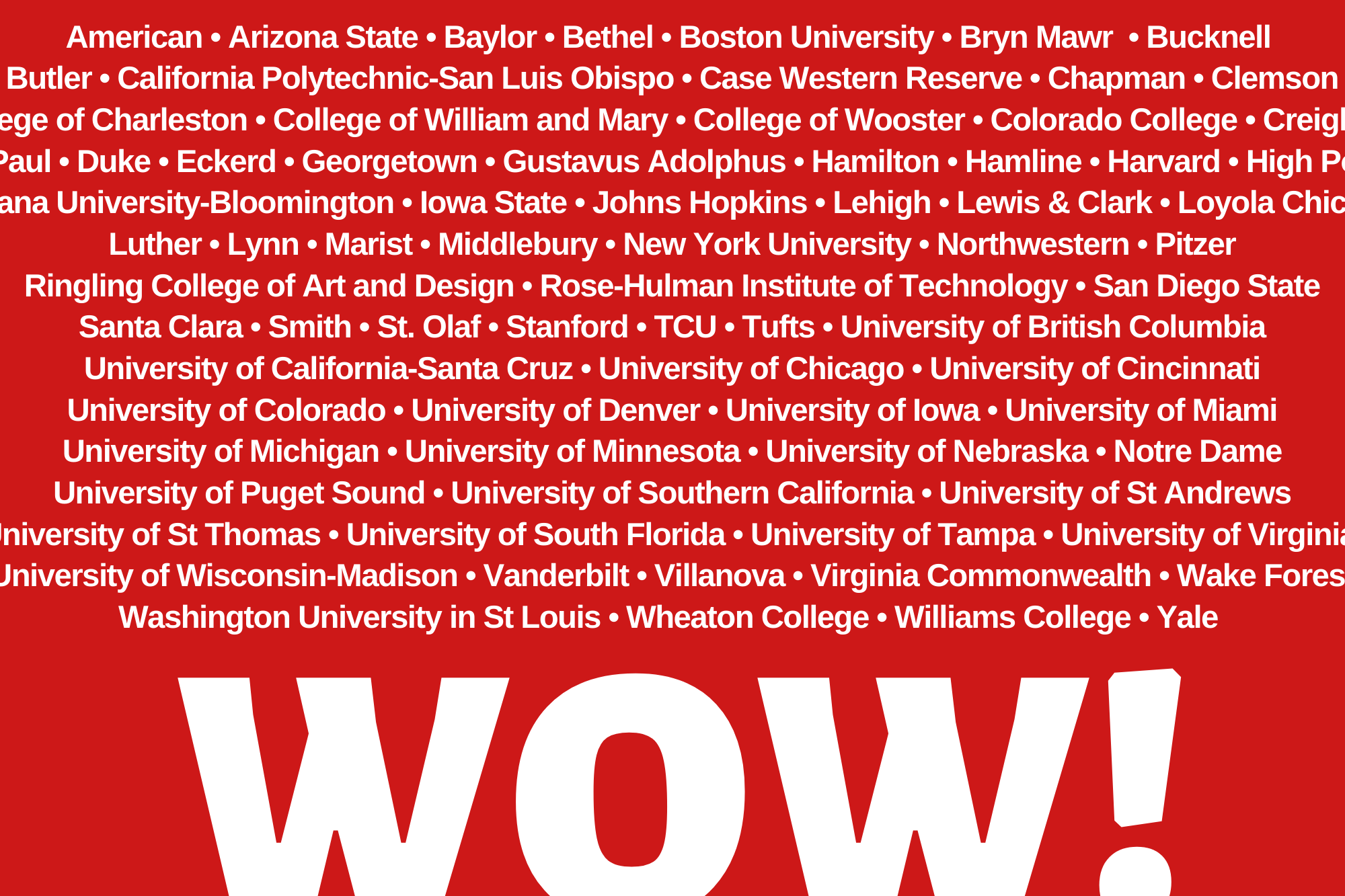
This year’s graduates will be attending colleges across the country and around the world where they will be challenged, find their community and move forward on their own personal goals, and we couldn’t be more proud or happy for them! Read more about our Class of 2022.

Just like with love, there is more than one college match out there if you’re open to possibilities. Read more in our February issue.
The right “why this college” essay response shows admissions you’re a serious applicant. Read our tips for standing out.
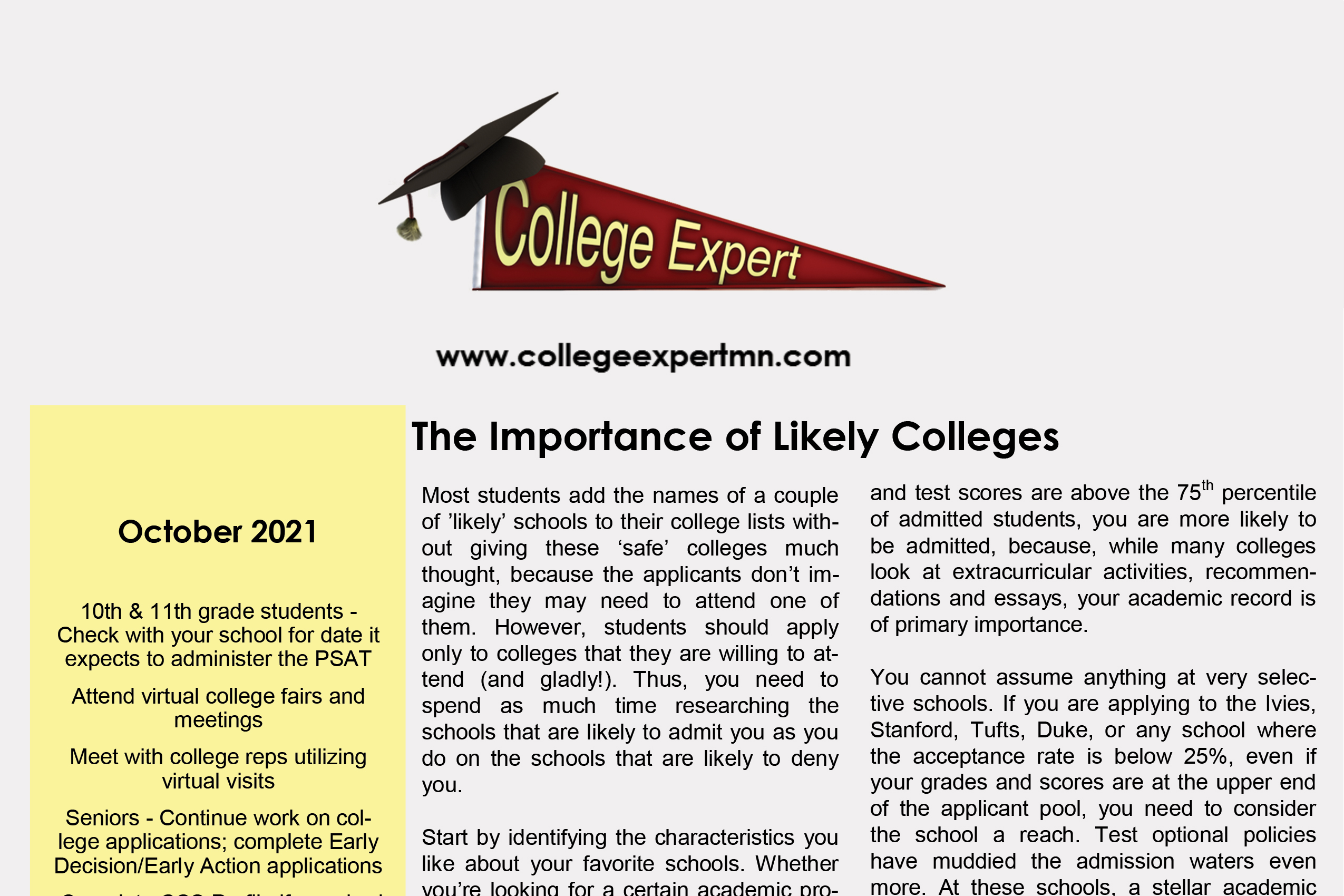
Are you giving your “likely” colleges enough thought? Read our tips for choosing them carefully.
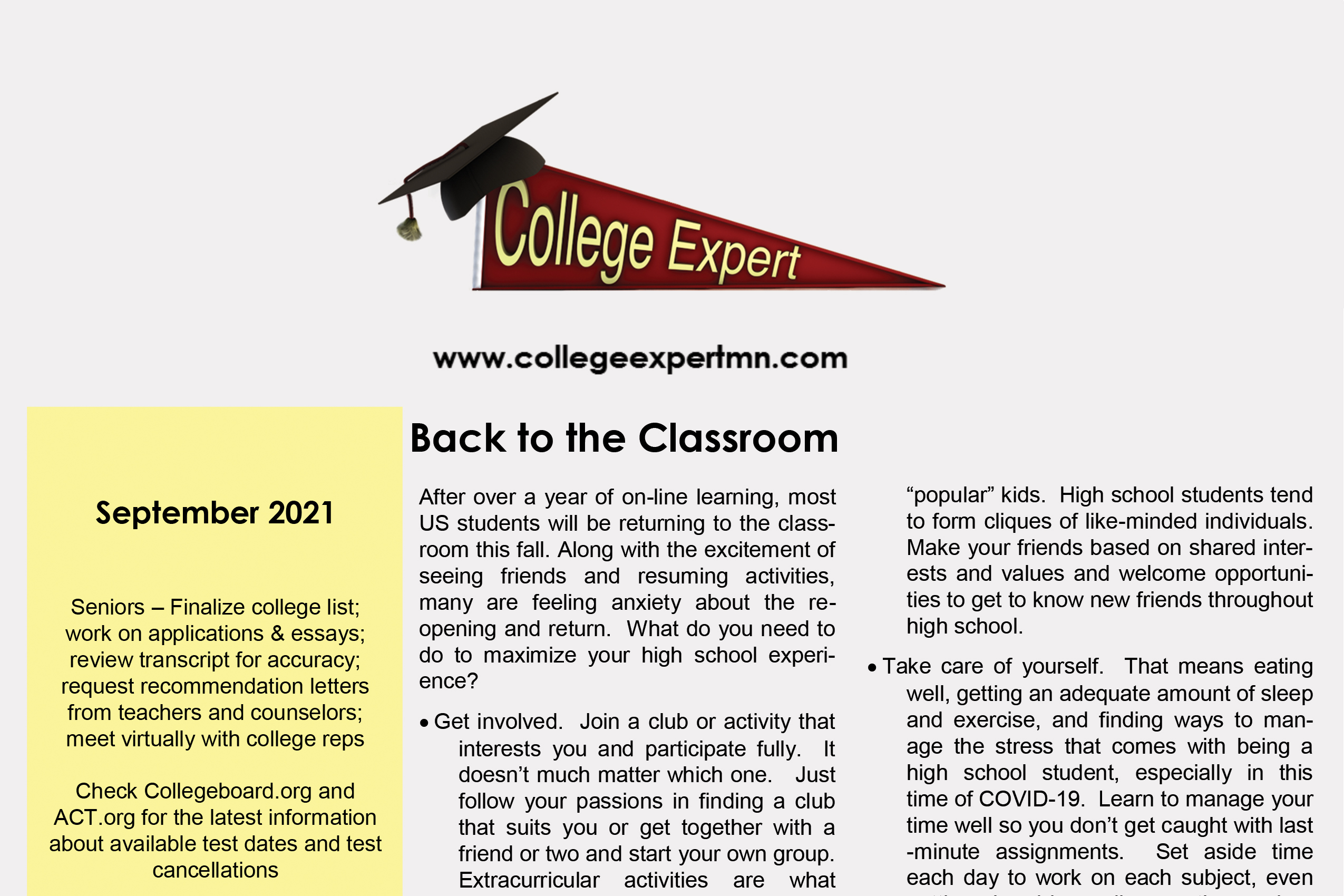
After months of online learning, it’s natural to feel anxious about heading back to school. Read our tips to ease the transition.
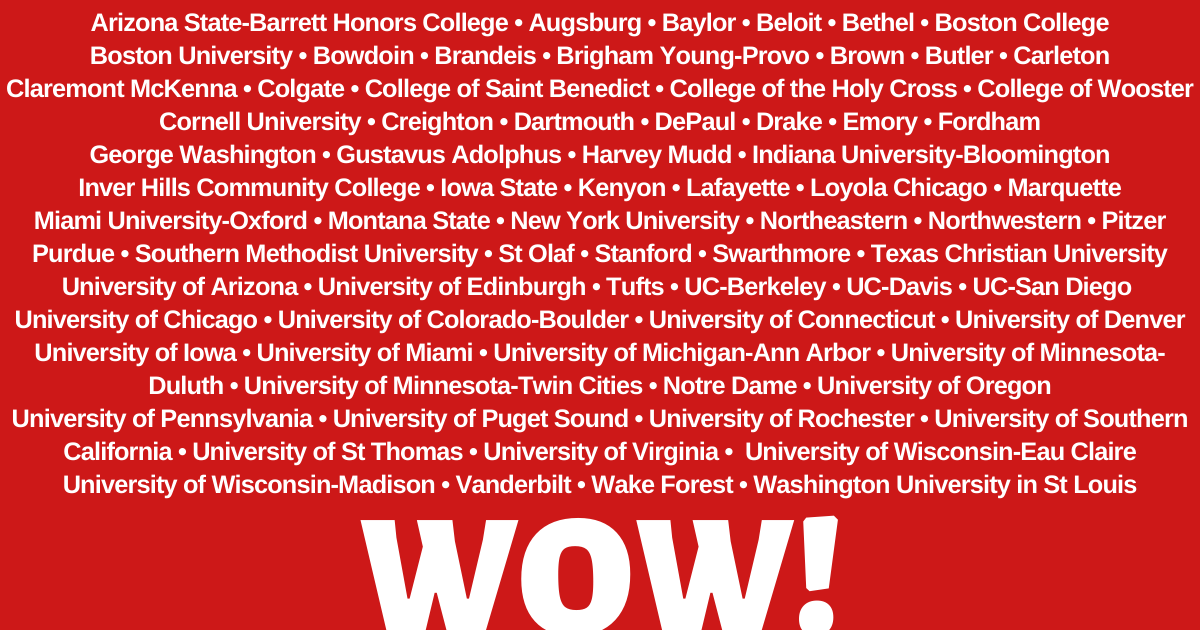
Read our message to grads and learn more about where they’re headed this fall!
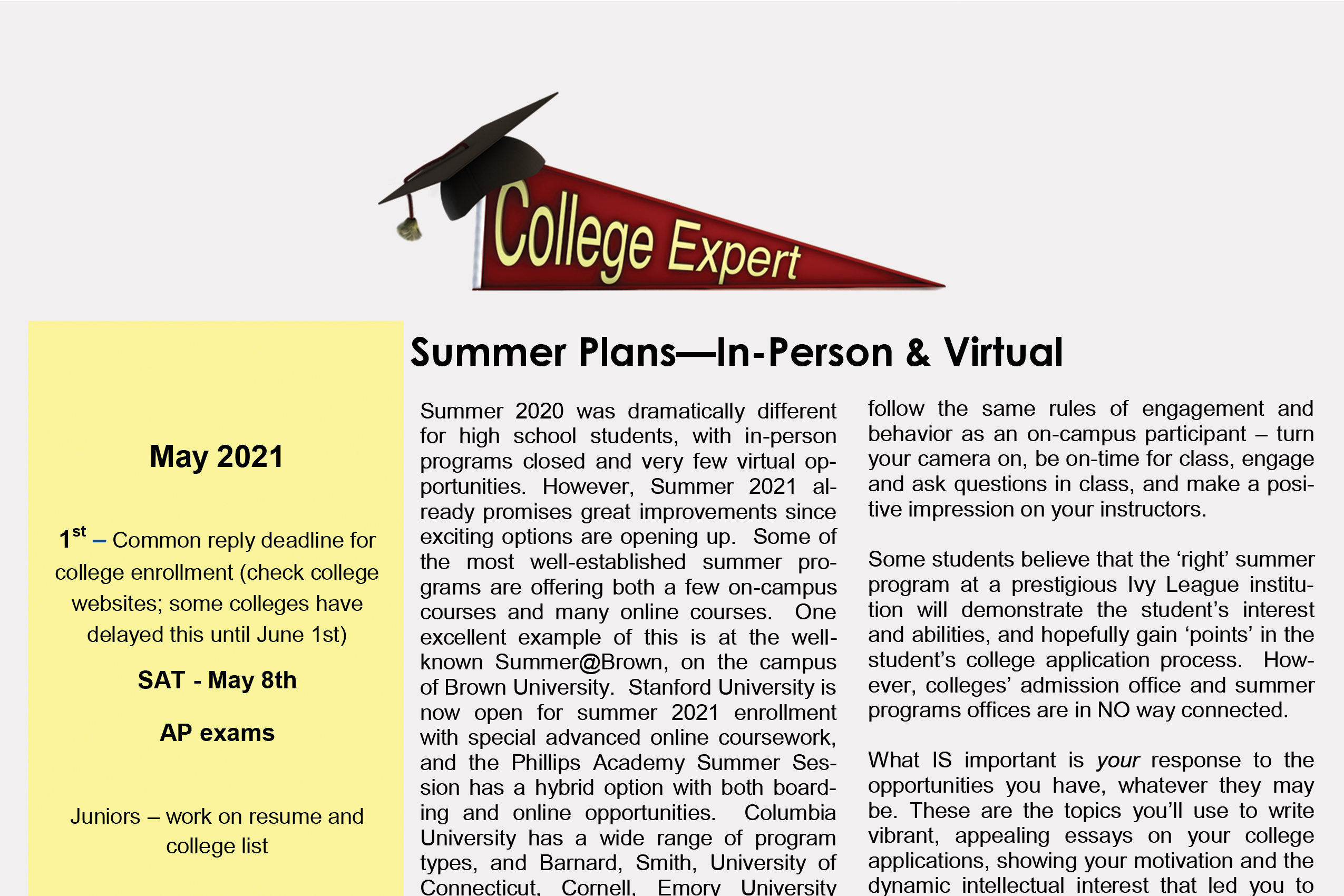
The true benefit of a summer program? It isn’t gaining points with selective schools.

Disappointed by a college denial? Our advice for changing course and choosing a school that’s perfect for you.
Letter to the class of 2020.

The Class of 2020 holds a special place in our hearts. While the college planning and application process is always a bit of a rollercoaster, for the Class of 2020, the ups and downs were exceptional. Just as seniors were celebrating their college decisions and beginning to picture themselves on campus, their school year came to an abrupt and unceremonious …

Sue was interviewed by WCCO’s Jason DeRusha via video chat on the impact of the COVID-19 pandemic on college testing and college tours, and she also gave advice on college acceptances during this time of uncertainty.
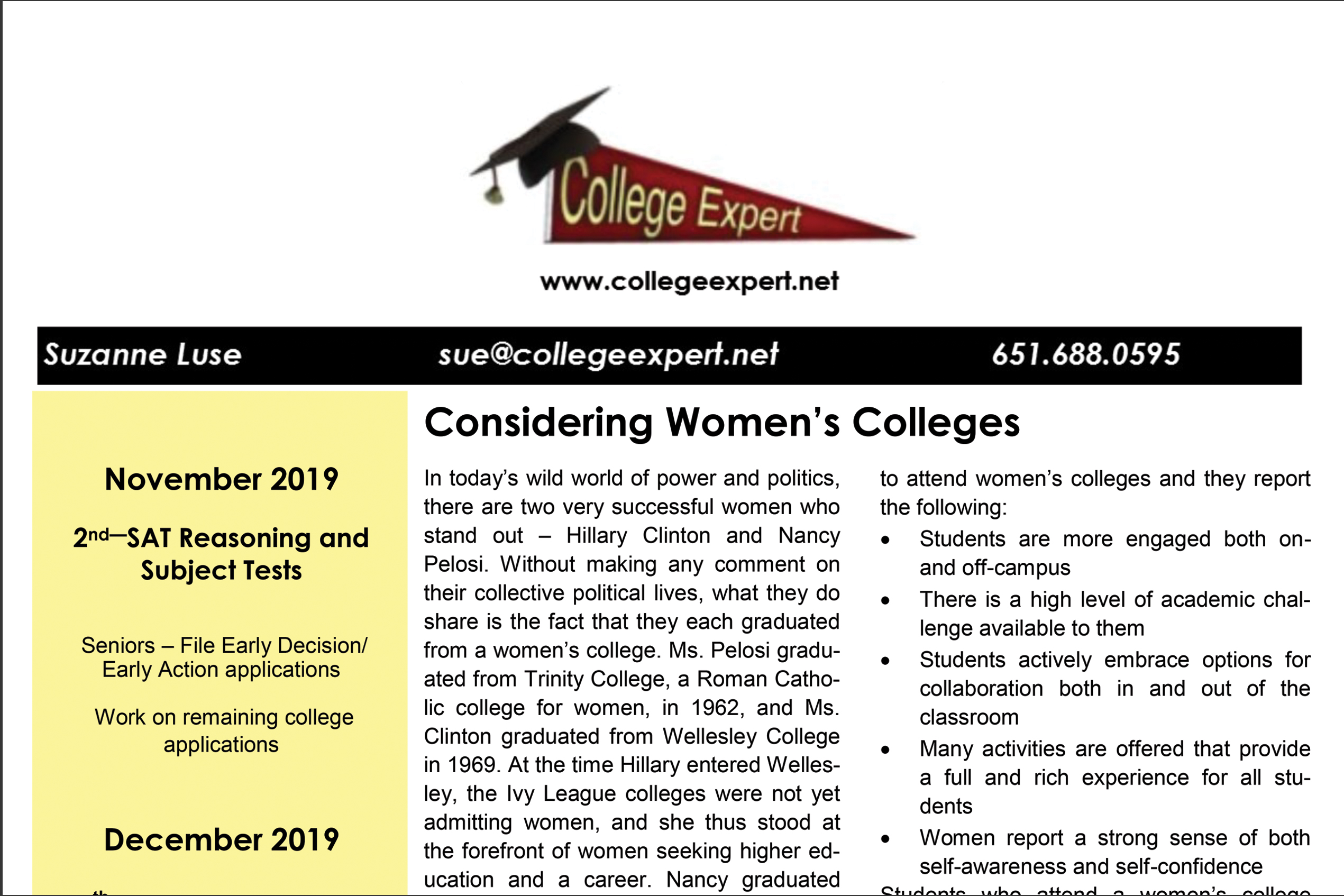
[ap_column_wrap] [ap_column span=”2″] [/ap_column] [ap_column span=”3″] Read our November 2019 College Expert Newsletter. Here are the topics in this month’s newsletter. Considering Women’s Colleges The Best Majors for Lucrative Careers Financial Matters: Merit Scholarships Make Private Colleges Affordable After Submitting Your Applications [/ap_column] [/ap_column_wrap]
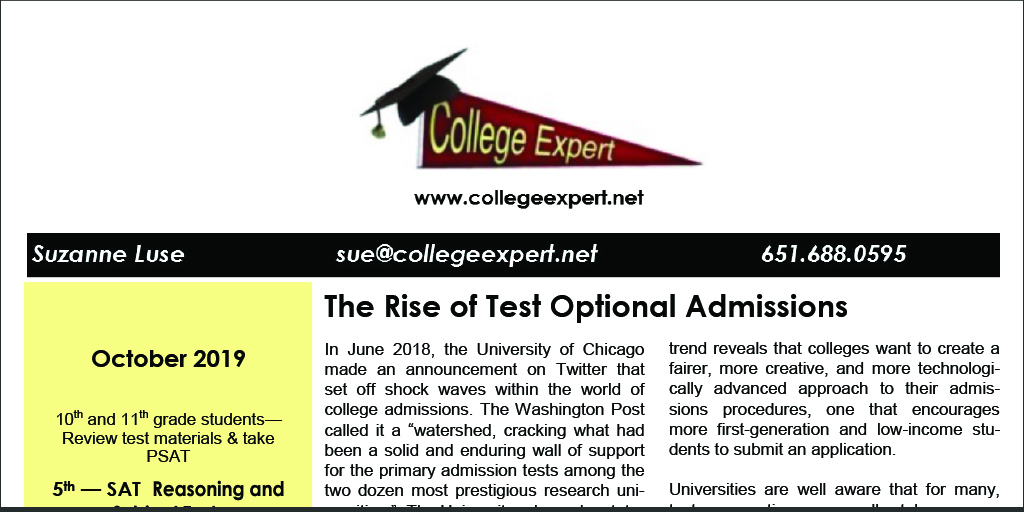
[ap_column_wrap] [ap_column span=”2″] [/ap_column] [ap_column span=”3″] Read our October 2019 College Expert Newsletter. Here are the topics in this month’s newsletter. The Rise of Test Optional Admissions Majoring in Public Administration Financial Matters: Early Decision/ Early Action and Financial Aid Why Are You Applying Here? Fall Timeline for Juniors and Seniors [/ap_column] [/ap_column_wrap]
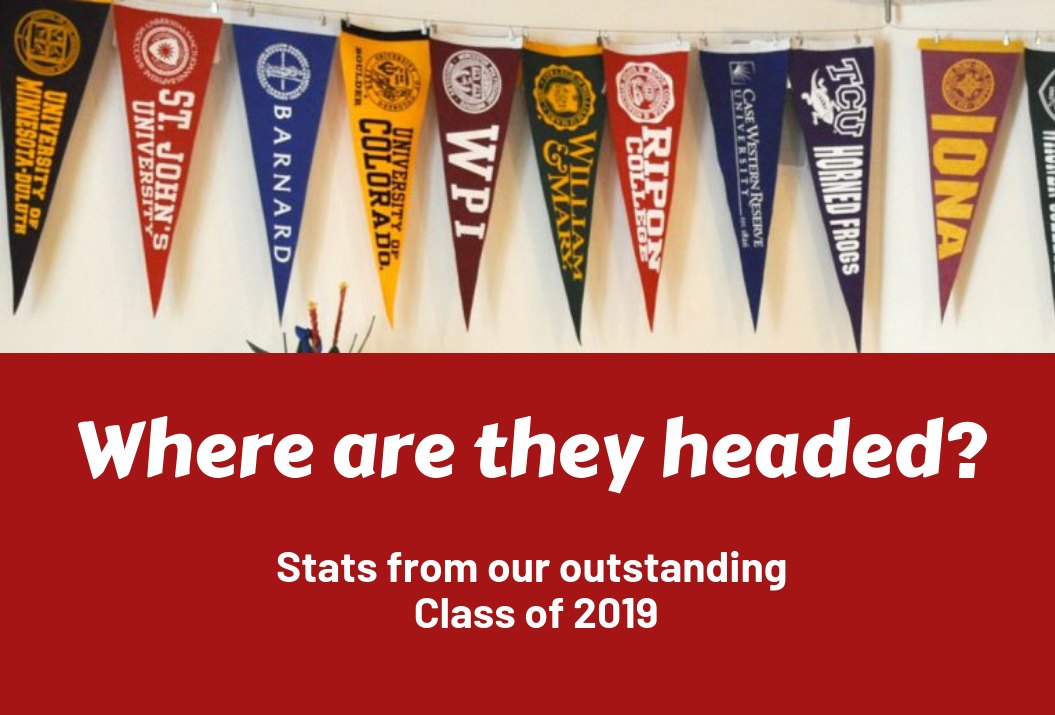
We couldn’t be more proud of the Class of 2019. Since our first Research Jam Sessions with this class, we noticed exceptional diligence, enthusiasm and flexibility in this group of students. Our sessions were always filled to capacity, and when the Common Application went live August 1, they worked hard, were open to suggestions, supported each other and wrote some …
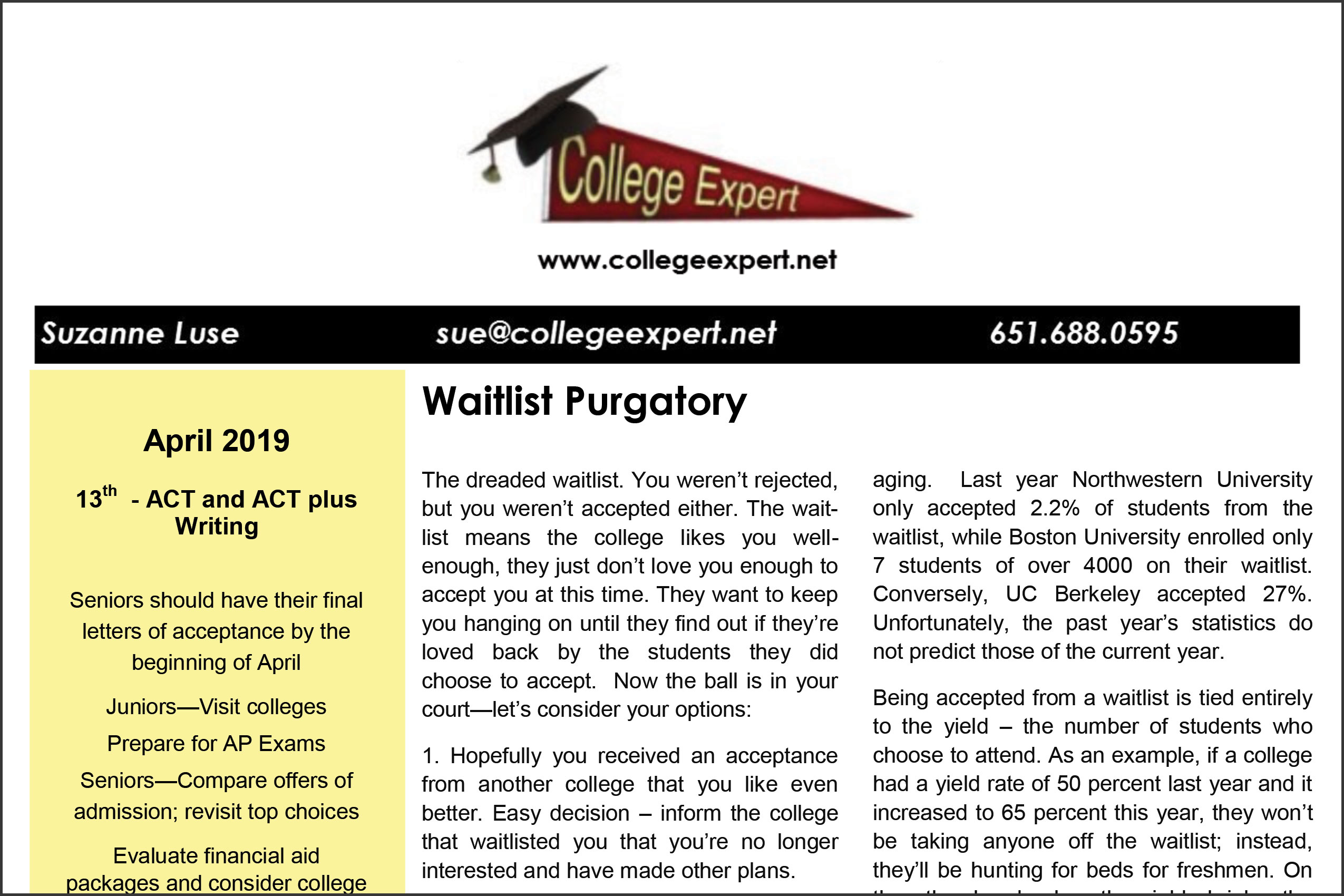
[ap_column_wrap] [ap_column span=”2″] [/ap_column] [ap_column span=”3″] Read our April 2019 College Expert Newsletter. Here are the topics in this month’s newsletter. Waitlist Purgatory Focus on Majors: Linguistics Financial Matters: Comparing Financial Aid Packages Social Media & College Admission [/ap_column] [/ap_column_wrap]

Dear parents and students, These past few days, many of our clients have asked us about the college admissions scandal – news that saddened and outraged us, just as it did many of you. This time of year, we would rather be talking about our own students who are preparing to graduate and receiving acceptance letters to schools on their …
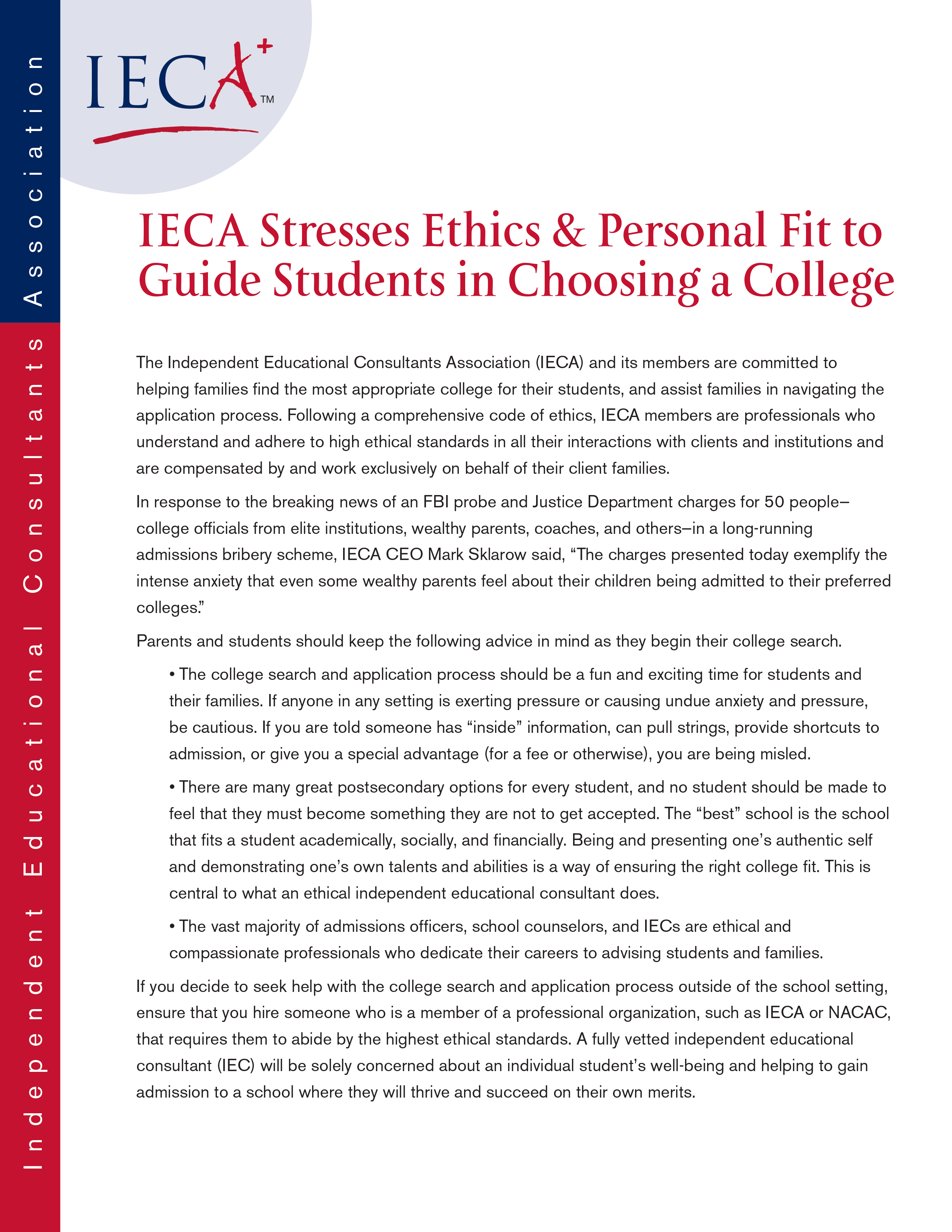
College Expert is proud to be a member of IECA, which responded to today’s news with this statement. We share their commitment to ethics and personal fit when guiding our students.

The 2019-2020 Common App essay prompts will be the same as last year. What was Class of 2019’s most popular pick? “Topic of your choice.” Find out what the prompts are for 2019-2020.
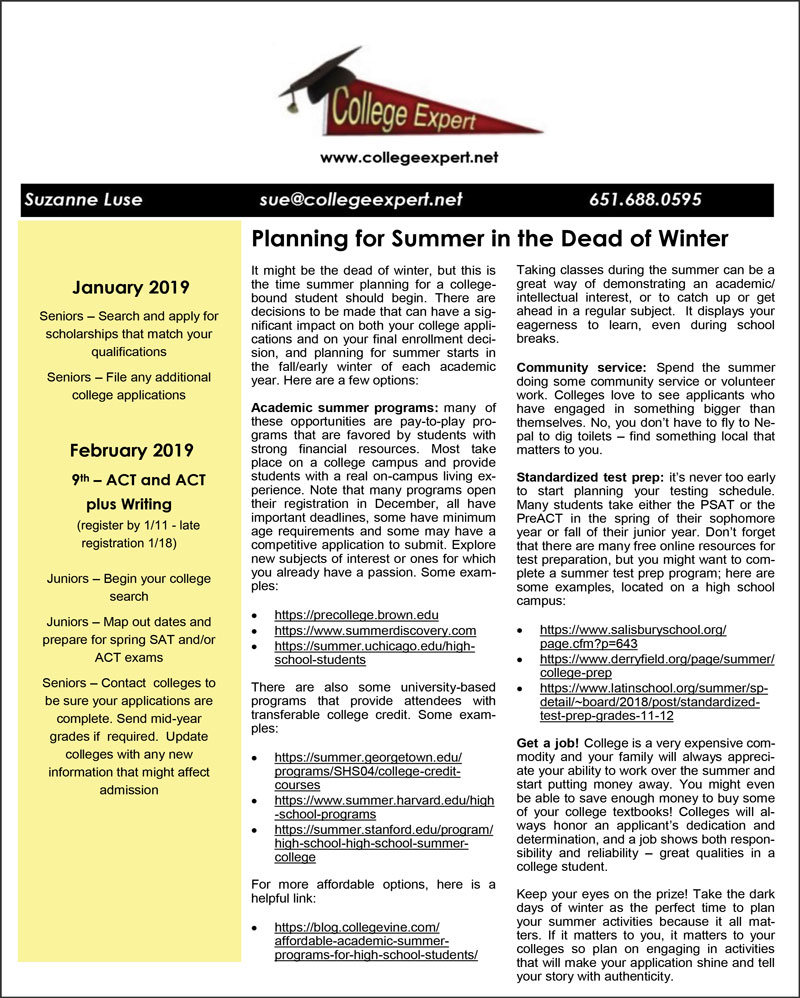
[ap_column_wrap] [ap_column span=”2″] [/ap_column] [ap_column span=”3″] Read our January 2019 College Expert Newsletter. Here are the topics in this month’s newsletter. Planning for Summer in the Dead of Winter Focus on Majors: Gerontology Financial Matters: College Loans How to Handle a Deferral [/ap_column] [/ap_column_wrap]
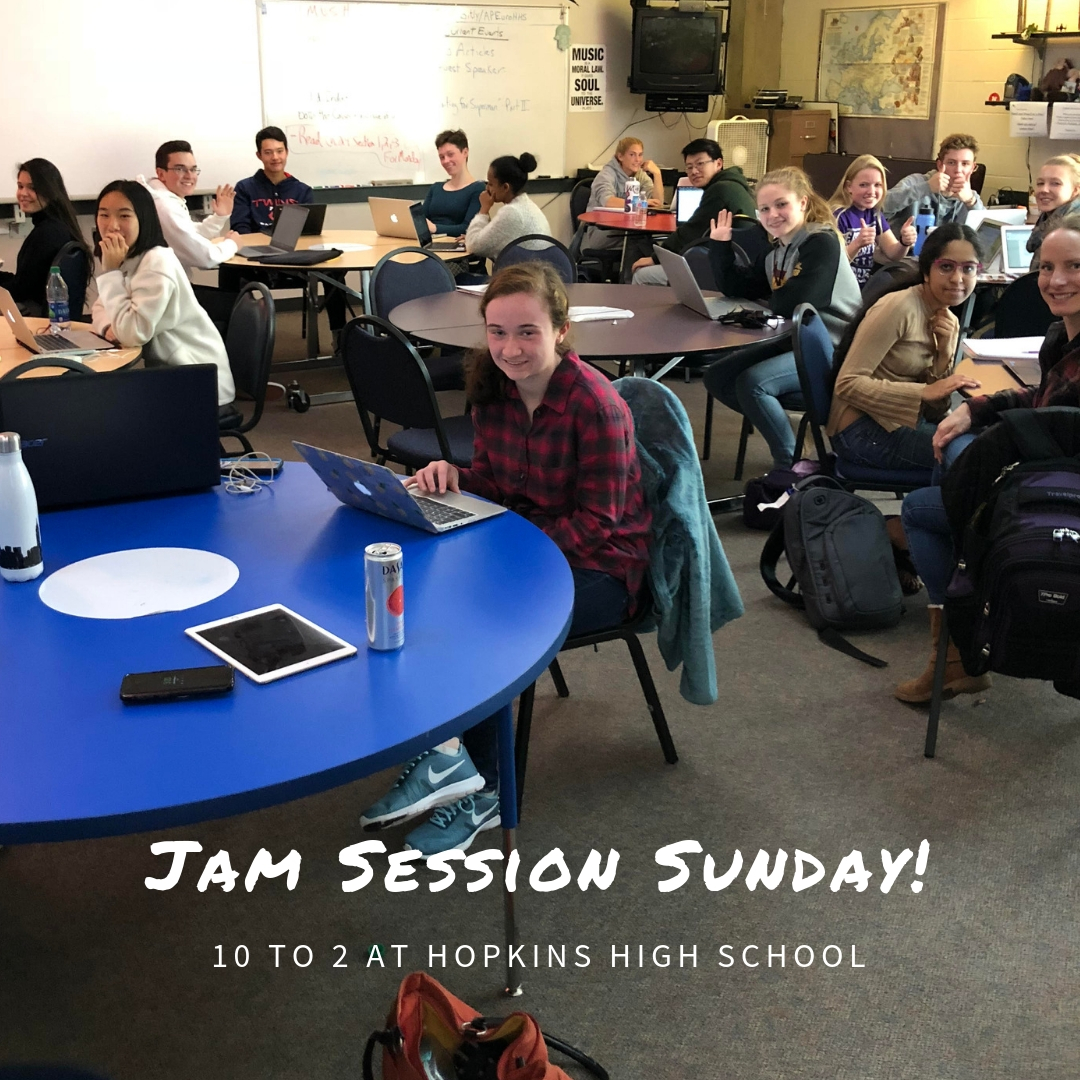
The Nov. 1 EA/ED deadline is just weeks away. How is your application coming? If you’re feeling behind or stressed, don’t worry! We know this is a crazy month and have scheduled Jam Sessions every Sunday throughout October and into November. Join us this weekend from 10-2 at THE EAGAN COMMUNITY CENTER. If you can’t make it, reach out to …
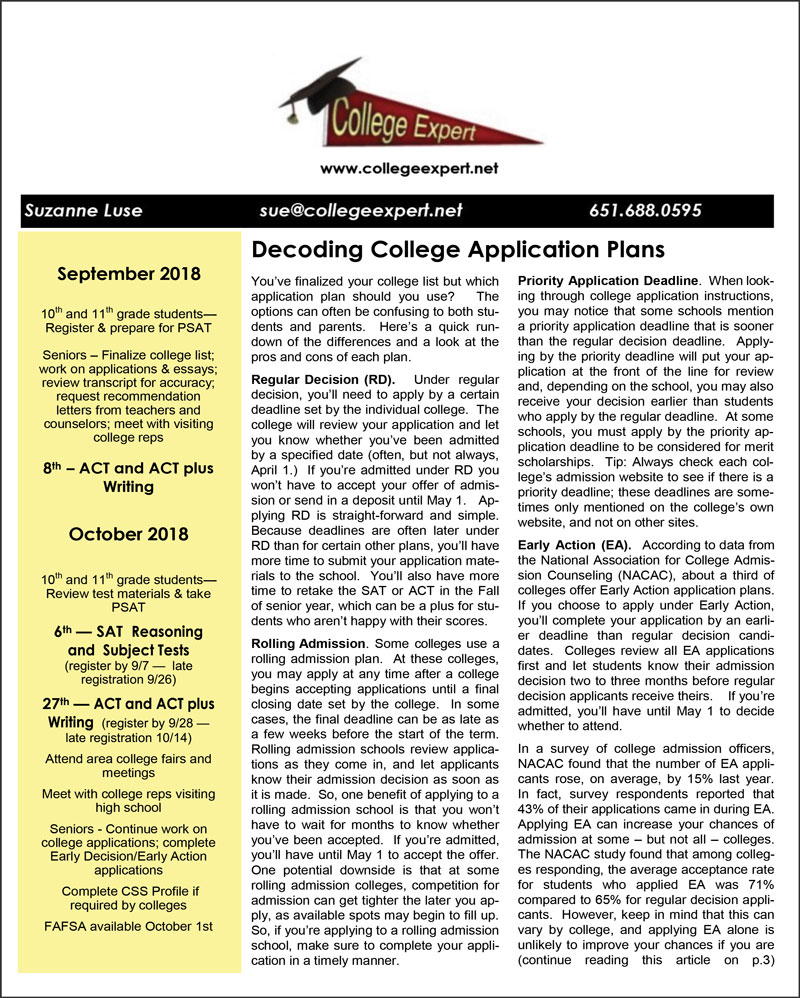
[ap_column_wrap] [ap_column span=”2″] [/ap_column] [ap_column span=”3″] Read our September 2018 College Expert Newsletter. Here are the topics in this month’s newsletter. Decoding College Application Plans Focus on Majors: Pre-Law Financial Matters: Filing the FAFSA “Doing” High School Well [/ap_column] [/ap_column_wrap]